Flat & low-slope roof assessment
Discuss an existing roof’s membrane condition, drainage, rooftop equipment, edges, penetrations and underlying concerns.
Commercial roofing conversations for property owners, managers, tenants and businesses—covering low-slope roofs, metal systems, repairs and replacement decisions.
A commercial roof has specific building, drainage, mechanical and operational requirements. These are key topics for the initial project review.
Discuss an existing roof’s membrane condition, drainage, rooftop equipment, edges, penetrations and underlying concerns.
Explore roof-system considerations for appropriate commercial properties, including membrane details, heat-welded seams, insulation and flashing.
Evaluate questions about metal panels, fasteners, seams, movement, corrosion and penetrations before determining repair or replacement scope.
Address leak observations around rooftop units, drains, parapets, flashings and penetrations based on findings and system compatibility.
Understand removal, re-cover, roof deck and insulation considerations. Suitability and code requirements vary by roof and property.
Discuss periodic inspections, drainage checks and site logistics, including tenant access and work sequencing for occupied properties.
Drainage patterns, rooftop equipment, insulation, flashing terminations, access and tenant operations all influence the scope. The right approach depends on the roof’s actual condition and the applicable requirements.
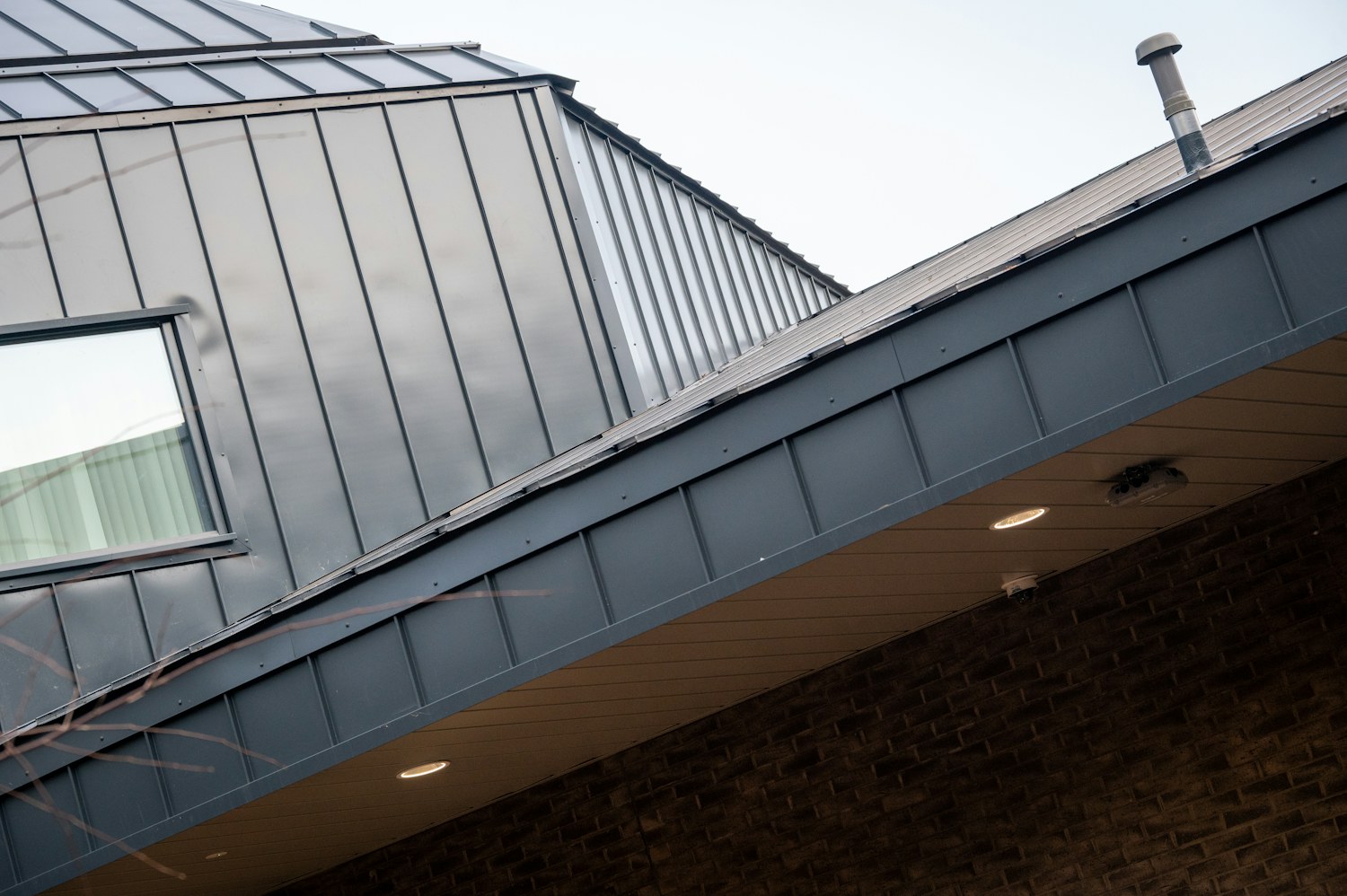
A successful commercial roofing scope considers drainage, rooftop equipment, existing moisture, occupant safety and the business operating below the roof.
Discuss existing membrane type, seam condition, insulation, attachment and compatible repair or replacement approaches.
Evaluate observations of standing water, blocked drains, scuppers and roof slopes. Drainage changes may require design review.
Coordinate roof work around curbs, piping, flashings, mechanical equipment and the operation of the building.
Consider panel fasteners, seams, corrosion, expansion, roof-to-wall transitions and appropriate metal-roof details.
Document leak histories and observable deterioration, and discuss a roof-condition review or periodic maintenance plan.
Plan building access, tenant communications, safety zones, deliveries and work sequencing around commercial operations.
Targeted repair: May be suitable for localized, compatible, accessible defects when the rest of the system remains serviceable.
Restoration or coating: Consider only when the substrate and existing roof assembly meet the chosen manufacturer’s requirements. Wet insulation and other problems can make coating inappropriate.
Replacement: May be appropriate when widespread deterioration, recurring leaks or system limitations prevent a durable repair. Structural and code requirements must be evaluated for the proposed work.
Planning a roofing project? These answers can help you prepare for a productive first conversation.
Ask about your roof ↗Brixam Roofing welcomes inquiries about commercial metal roofs, flat and low-slope roofing, and common membrane conditions. Actual project acceptance and system selection depend on a scope review.
No. Coating or restoration may be considered only if the existing system and substrate meet the selected product and project requirements. Wet or deteriorated assemblies often require additional work.
Some projects can be staged around property access and business operations. Work windows, safety controls and sequencing require agreement during planning.
A property address, approximate roof area, known existing system, photos, leak history, available plans and contact for access are useful for the initial discussion.
Permit, plan review, energy and inspection requirements depend on the jurisdiction and proposed work. These should be clarified for the specific property before construction.
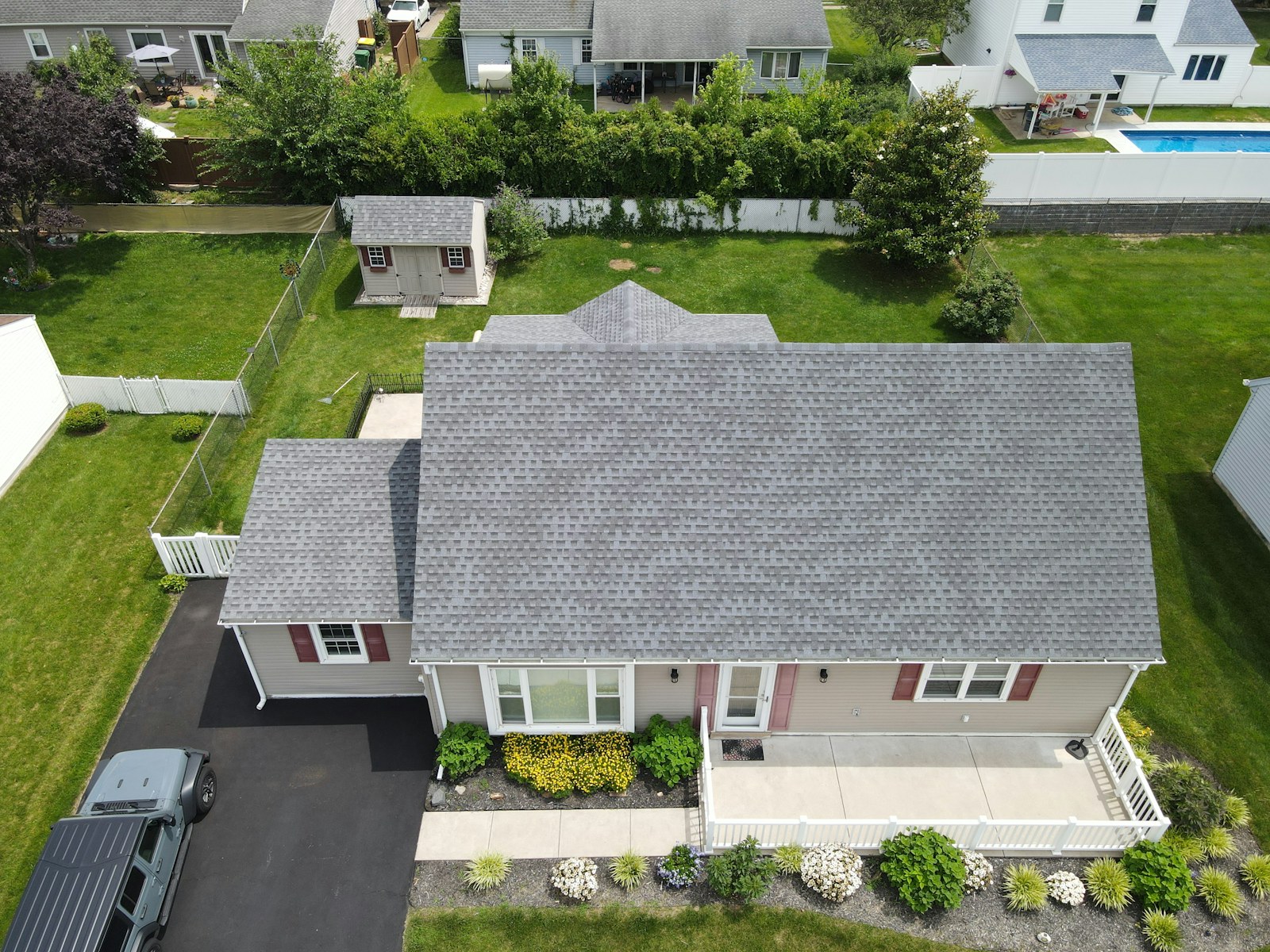
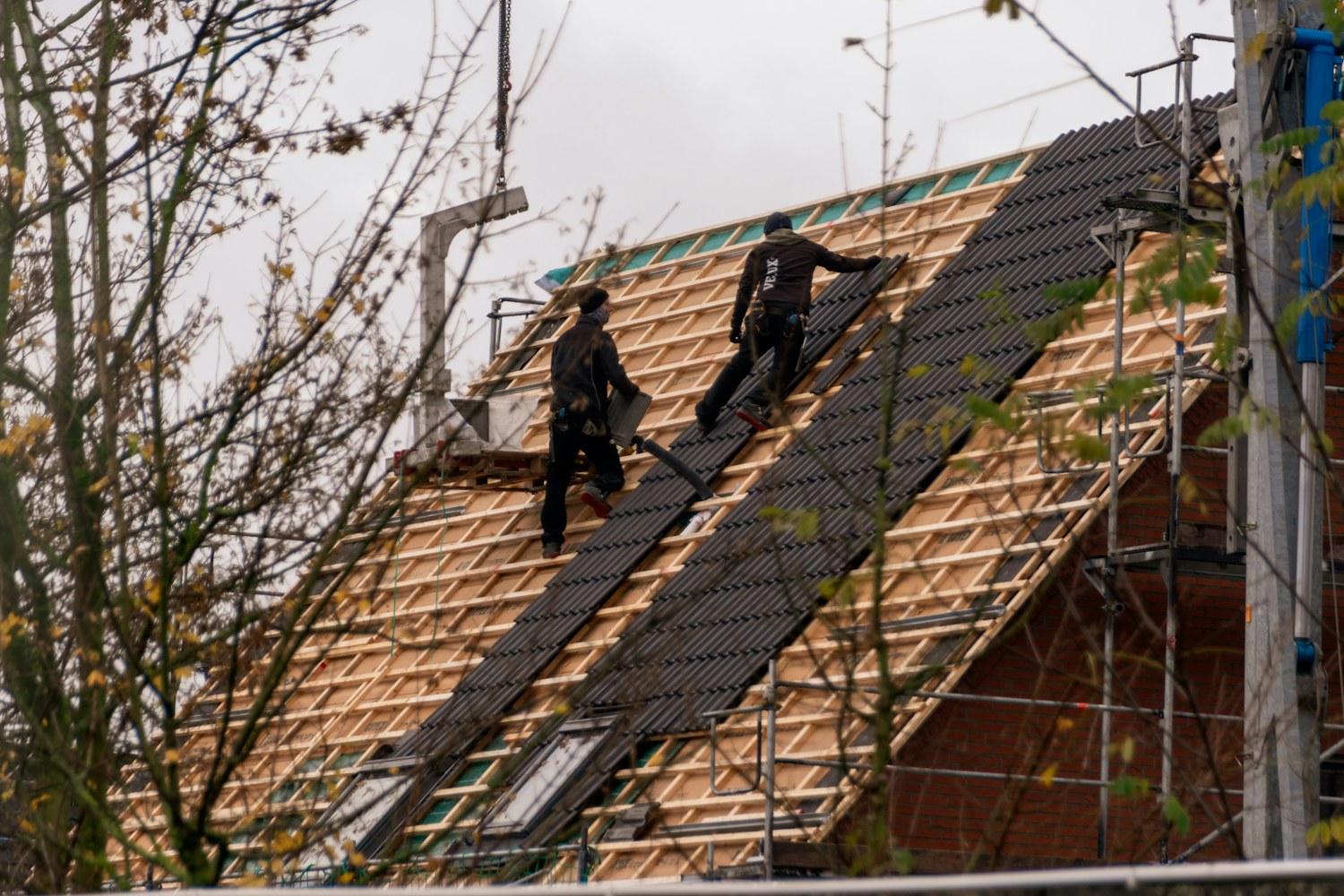
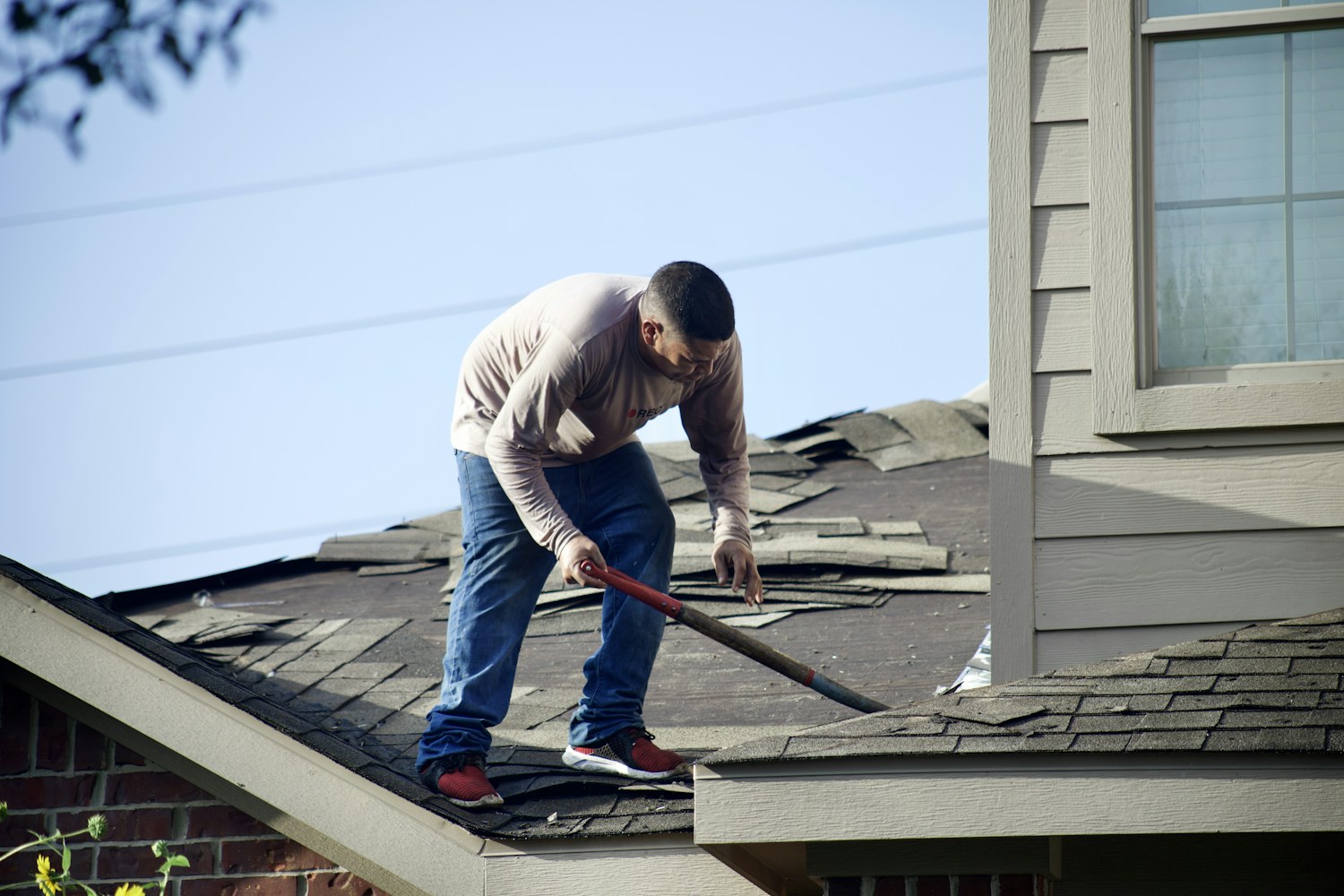
Browse residential roofs, commercial rooflines and roofing work examples.
Photography is illustrative and does not depict completed Brixam Roofing projects.
Share your property location, roof type if known, and any leaks, damage or project timeline.